
NHL Outdoor Games: How to Plan, Watch, and Win in 2026
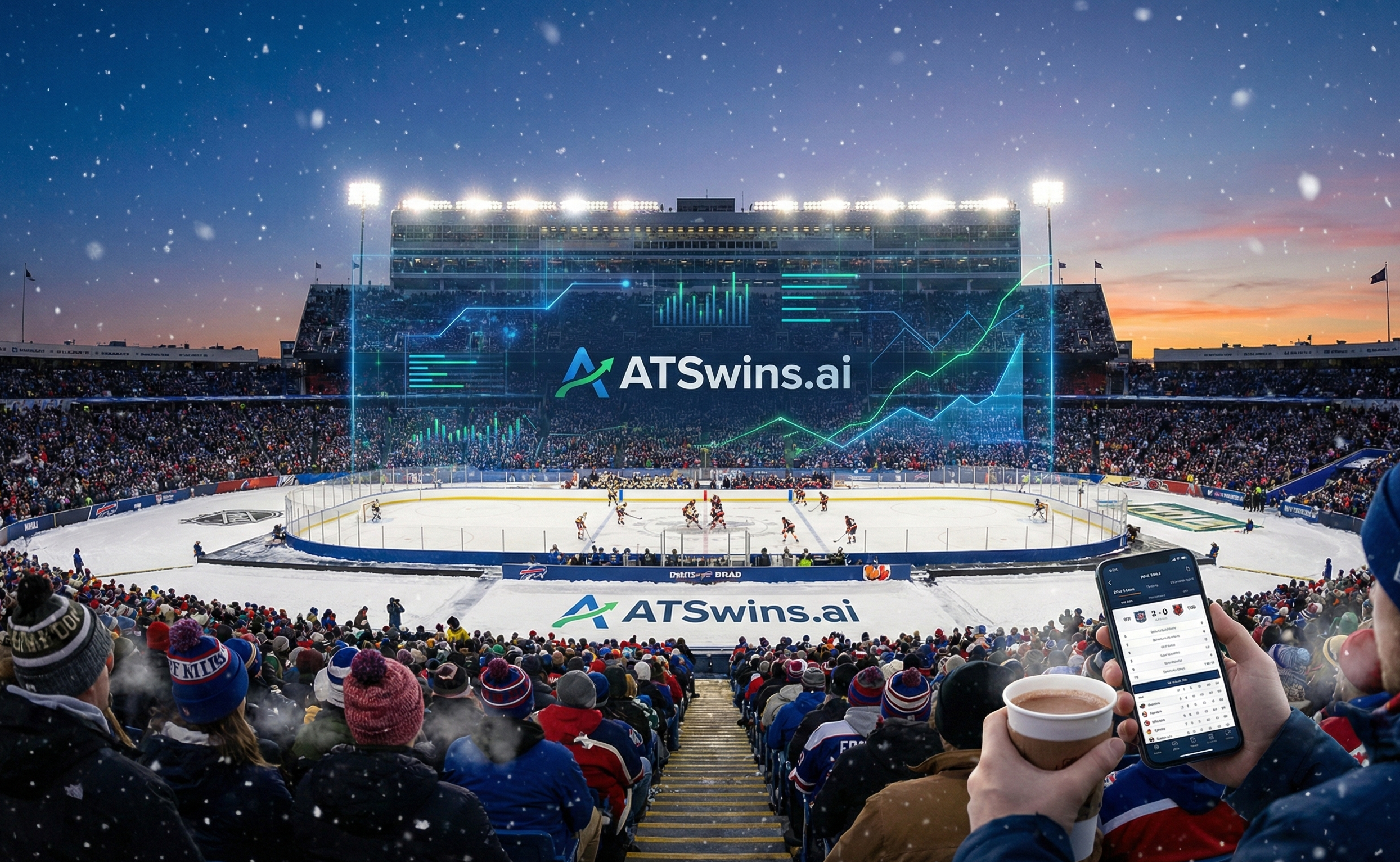
Outdoor hockey never gets old. From the frigid Heritage Classic to the New Year’s Winter Classic, these games mix absolute spectacle with intense strategy. As a sports analyst who builds AI models for NHL forecasts, I track how ice, sun, wind, and venue quirks shape the actual play on the sheet. Let’s map the history, key shifts, and what the numbers reveal about these massive events.
Outdoor NHL games have grown massively from the 2003 Heritage Classic to major TV moments like the 2008 Winter Classic, the 2014 Big House record, and Lake Tahoe’s beauty with those crazy sun delays. It is still growing with bigger parks and smarter broadcasts every single year. The formats really matter too because the Winter Classic has that New Year’s feel, the Stadium Series has prime time flair, and the Heritage Classic sticks to its Canadian roots. Rivalries, uniforms, and rink placement change how teams play and exactly what fans see from the stands. Weather drives the game more than usual since sun and wind can soften ice, raise snow, and slow passes while cold cloudy days keep the sheet crisp. You should expect shifts in pace, finishing, and goalie reads because totals can flip fast. If you are going, pick mid to high sideline seats for full rink views when the rink sits off center. You need to layer up, bring sunglasses and a spare battery, and arrive early. Small choices improve comfort and sightlines. ATSwins.ai is an AI powered sports prediction platform offering data driven picks, player props, betting splits, and profit tracking across NFL, NBA, MLB, NHL, and NCAA. Free and paid plans give bettors insights and guides to make smarter, more informed decisions.
Edge on Ice: NHL Outdoor Games for Fans and Bettors
History and evolution of NHL outdoor games
Milestones that set the template
The modern era spark happened in brutal cold back in 2003 at the Heritage Classic in Edmonton. The Oilers and Canadiens played at Commonwealth Stadium with windchill below zero Fahrenheit, and there were serious visibility issues from breath and frost. The NHL saw that the novelty, visuals, and nostalgia could overcome weather risk because the fans absolutely loved it despite freezing their faces off. Then came the 2008 Winter Classic in Buffalo. The Sabres hosted the Penguins at Ralph Wilson Stadium in heavy snow that looked like a movie set. Sidney Crosby scored the shootout winner in front of a massive crowd on New Year’s Day, and it instantly became a TV spectacle, delivering strong ratings and a new annual tentpole known as the Winter Classic.
Years later we saw the 2014 Big House game in Ann Arbor. The Red Wings and Maple Leafs drew an NHL record crowd of roughly one hundred and five thousand people at Michigan Stadium. It was a snowy scene with thousands of traveling fans and a massive rivalry feel. It showed the event could scale into college football cathedrals while keeping hockey’s charm intact. Then we had the 2021 game at Lake Tahoe. This was a made for TV scenic showcase with no fans, perched on the 18th fairway between lakes and peaks. The sun softened the ice and forced a mid game delay until evening. It was not seamless at all, but it proved the league’s ambition to find breathtaking backdrops while adapting in real time.
A pattern emerged from all of this where the league tries to push the aesthetic envelope, balance atmosphere with broadcast windows, and build the brand. The NHL learned from each edition regarding lighting, shadows, refrigeration, and referee protocols to build repeatable playbooks. Outdoor games started as a novelty, but they became annual anchors that teams now plan around years in advance.
Expansion in frequency, venues and broadcast scope
After 2008, the league began adding Stadium Series games in prime slots, not just on New Year’s Day. Some seasons feature multiple outdoor dates driven by demand and sponsor interest. Regarding venues, the NFL and MLB stadiums lead the pack, with occasional college stadiums mixed in. The NHL also experiments with scenic golf courses or ballparks with skyline views because it is about more than just capacity since it is also about camera angles and the general vibe.
The broadcast ambition has shifted to include higher drone shots, spider cams, and on ice mics. Outdoor hockey is TV first in many ways due to massive fields of view, snow flurries, and bright throwback uniforms. The league leans into pageantry because the broadcast is the product as much as the in seat experience. Scheduling pragmatism is also huge now. The NHL actively shifts start times for temperature and sun angles. Lake Tahoe proved the league will halt games to protect ice and player safety, even if it disrupts programming. It is now normal to hear about revised puck drops based on a morning ice report. If you are here for rink building and weather, jump to the logistics and ice tech section. If you are planning to attend, skip down to fan experience, tickets and travel.
Signature events and formats
Quick comparison of formats and vibes
There are distinct differences between the events. The Winter Classic happens on New Year’s with a classic feel, usually at MLB parks, NFL stadiums, or colleges. It features Original Six or regional rivalries with retro looks, heritage fonts, and muted palettes. You will see holiday week fests and alumni presence. The Stadium Series has prime time flair in the mid season, often at NFL or MLB stadiums in larger markets. It features bold matchups that are sometimes local, with modern and bold uniforms that sometimes have reflective helmets. Expect in market activations and military honors. The Heritage Classic is all about Canadian roots and prairie cold at CFL stadiums in Western Canada. It features Canadian rivals and historical nods with vintage inspired Canadiana aesthetics. Community tie ins include youth hockey and local cultural themes. One offs are special scenic or commemorative games at golf courses or unique sites. They are TV forward and often neutral, with custom uniforms tailored to the site, serving as tourism and municipal showcases.
All four build around rivalry tension, uniforms that pop on big screens, and sponsor friendly environments. Stadium Series lets the NHL run multiple host cities without diluting the Winter Classic’s prestige. Heritage Classic centers Canadian history and tough cold weather identity. One offs test future ideas like camera rigs, site logistics, and non traditional scheduling.
Rivalries, uniforms, and community
The NHL favors proximity and history for rivalry selection. Travel is easier, fan travel is high, and the in stadium sound matters a lot. Teams with overlapping TV footprints often get the nod. Outdoor ice demands strong contrast and bigger elements for uniform design. Numbers are larger, color blocking is bolder, and logos are simplified for visibility from the upper deck and on drone shots. Community angles include youth clinics, alumni scrimmages, and city center fan fests that extend the event. Outdoor week is part hockey and part city marketing because municipal partners want visitor days and hotel nights.
Logistics, ice tech and weather
How the rink is built outdoors?
A modern NHL outdoor rink is a temporary engineering project that must survive wind, sun, and tens of thousands of fans. The league deploys specialists and a portable refrigeration plant. It starts with a field survey and leveling. Engineers map the crown and slopes of the stadium field. A subfloor platform is constructed to within tight tolerances so the rink will be level end to end.
Then comes the chiller plant and piping. A mobile refrigeration unit using ammonia or glycol based systems sits outside the stadium. Brine or glycol mix is pumped through miles of aluminum floor panels called mats that distribute cold evenly across the rink area. After that, they install dasher boards and glass. NHL standard boards and tempered glass are installed on the platform, with extra anchoring for wind. Bench areas, penalty boxes, and off ice cameras are placed to support TV sightlines.
Layering the ice is a precise process. The crew sprays fine mists of deionized water to create thin, hard layers. A white base coat is painted to create a uniform backdrop for the puck and TV readability. Lines and logos are hand laid using cloth or stencils and sealed between layers. Ice thickness is built to roughly one and a half to two inches, which is thicker than standard indoor ice for durability outdoors.
Sensors and microclimate control are vital. Surface and subsurface temperature sensors are embedded. The crew tracks dew point, air temp, humidity, and radiant load from the sun. Shade tarps and reflective blankets are used at times to reduce thermal stress in warm or sunny windows. Teams skate the day prior for practicing and monitoring, giving the crew feedback on hardness and glide. The NHL adjusts skate times to protect the sheet if necessary, especially near midday sun.
Managing weather: sun, wind, dew, precipitation
Outdoors is a physics lesson. Bettors and fans should think in terms of heat inputs and moisture removal. Direct sun will soften the top millimeters of ice quickly, even at ambient temps below freezing. The league models how stadium shadows will move during the day to set safer start windows, because longer shadows mean better ice. Reflections from glass and light colored seating can hot spot patches, so crews will spot treat them.
Cold and dry air produces fast and brittle ice which is great for speed but chip risk rises, especially at the blue lines. Wind chills affect players’ hands and faces, changing puck handling comfort and shot choices. Crosswinds can push long chips and flip ins off lines, meaning goalies judge floaters differently outdoors. When the ice surface is near the dew point, micro condensation forms. That adds a thin water film, slowing pucks and skates. High humidity with marginal temps makes frost and rime on the surface, dulling blades and clogging grooves.
Light and sticky snow increases friction fast, so the puck loses pace and boards play soft. Rain is tougher because standing water creates dangerous ruts. The league will delay if puddling begins. Crews use Ice Edgers and Zamboni passes between periods with different blade depths. They use surface thermography to spot soft zones and reflective covers and targeted coolant boosts on sun exposed mat loops. For bettors, these physics tilt the pace, pass success, carry entries, and shot mix, which are factors that change totals and certain player props. We will translate that into modeling steps in the betting edges section.
Timing windows, rules, and contingencies
The NHL often declares a weather window the morning of the game. If sun is harsh at one in the afternoon, the puck drop may slide to late afternoon or night. Crews can insert additional ice maintenance as needed between periods. In extreme cases like 2021 Tahoe, play paused for hours to reset ice when the sun dropped. Pucks are kept around fourteen degrees Fahrenheit and swapped frequently. In warm or sunny games, rotations speed up to preserve puck feel. If lighting or weather halts play beyond a threshold, the NHL can resume later the same day or next day. Communication goes through teams, broadcasters, and venue ops in concert.
Bettor’s weather checklist
You should pull hourly forecasts for temp, wind, humidity, and cloud cover about forty eight to seventy two hours out. Note the sun angle at puck drop and the first hour. On the morning of the game, check team skates and any practice changes for early clues about ice softness or cracks. Look for official NHL communications about start windows. One hour pregame, watch warmups for snow buildup, puck hops, and goalie rebound control. Track any wind flags or tarp usage on field level shots. During the game, period one often plays slower if sun is up, so reassess totals live after the first TV timeout. If crews add extra shaves, it is a sign ice is deteriorating, so tilt toward unders and lower shot props.
Fan experience, tickets and travel
Seats and sightlines
Outdoor hockey flips the usual sightline math. The rink is smaller than a football field, so lower bowl fifty yard line seats can be too low and too far. Lower bowl center can feel flat because the boards block near side plays. Upper deck corners or first few rows of upper sideline often give the best overview. Aim for elevation where you can track both blue lines and both nets without head swiveling.
When reading seating charts where the rink is off center, you have to be careful. The rink sometimes shifts toward one sideline to fit TV platforms and team areas. On the seating map, find the center ice label rather than assuming the fifty yard stripe. If unsure, call the venue box office on which sections align with the red line. Upper corner seats are value buys offering a decent angle, lower price, and less wind exposure under overhangs. Avoid extreme corners of the stadium if pillars or rails intrude on views.
What to wear and pack?
Layering is crucial. Start with a moisture wicking base and avoid cotton. Add a fleece or wool mid layer. Use a windproof shell for your outer layer because even mild temps feel colder in wind. Accessories should include thermal socks, hand warmers, thin glove liners under team mitts, and a beanie. Extras to bring include items that fit clear bag policies, lip balm, sunscreen since sun on ice is bright, and a backup phone battery because cold drains it. Wear waterproof shoes with good traction because snow or spills make aisles slick.
Getting there and moving around
Plan an early arrival because security lines move slower with layered fans and bulky gear. If using rideshare, check designated drop zones since postgame crowds require patience. Public transit is often boosted for these games and is usually the best postgame exit. Identify family zones and warming stations on the map. Concessions near the ends of the rink tend to be less crowded than midfield counterparts.
Photos and merch
Upper sideline concourses are great for panorama shots of the entire rink and stands. Corner tunnels offer dynamic angles of teams entering the ice. Night games with lights reflecting on ice produce the best phone shots if you tap to set exposure low. Limited run outdoor jerseys and patches usually sell out. If a specific item matters, buy pregame rather than postgame. Check mobile apps for stadium only items and pickup lockers because lines can get chilly.
Broadcast, sponsorship and future trends
What TV adds
Spider cams trail neutral zone rushes and show passing lanes in a way indoor games cannot always mimic. Drones elevate site aesthetics with stadium reveals, skyline pans, and shots of mountains or lakes if applicable. Low dasher cams emphasize board battles and net front scrums. Field level mics capture edge chatter and stick taps but also wind gusts, so producers adjust EQ to keep voices clear. Outdoor acoustics can mute crowd swells compared to indoor arenas, so mic placements counteract that. On ice logos are sealed beneath ice and dynamic ads run along virtual dasher boards for broadcast. Clean and high contrast uniform designs make sponsor marks more visible on TV.
Money, partnerships and sustainability
Title sponsors activate across city fests, fan zones, and TV bumpers. Local brands lean into regional identity. Military and community partners often feature in Stadium Series ceremonies. Cities benefit from travel spend, and they also coordinate traffic, transit, and public safety. A successful outdoor weekend is a tourism ad for years. The refrigeration footprint is real. The league increasingly offsets with renewable energy credits, more efficient chillers, and reduced single use plastics in fan zones. Late afternoon starts can reduce sun driven coolant spikes.
What’s next?
Iconic ballparks and college cathedrals like Wrigley, Fenway, and the Big House play well. Expect repeats and new campus giants where the sightlines and tradition sell themselves. Expect more Lake Tahoe style experiments with lessons learned regarding start times after sun peak, contingency slots, and perhaps partial attendance with elevated ticket tiers. Cross border nights like Canadian versus U.S. market showcases remain appealing, and the Heritage Classic may expand east and west to balance fan access. Tech upticks will include more player mics, helmet cams in pregame, real time ice condition graphics, and wind overlays to add context for bettors and casual fans alike.
Betting edges in outdoor games with AI
How outdoor changes the numbers?
Outdoor hockey alters on ice tempo, puck behavior, and goaltending context. As a bettor, you should translate weather and build conditions into four broad buckets. Soft or snowy ice reduces clean exits and entries, meaning teams chip more and carry less. That often trims shot attempts and favors under looks. In hard and brittle cold with minimal wind, the game can actually be fast, but bouncy pucks raise turnovers and odd man rush volatility. Cross ice passes die on choppy or wet surfaces, suppressing east west power play looks. Teams may simplify power play schemes, pushing more point shots and netfront traffic.
Goalies have to deal with sun glare, wind, and unpredictable bounces affecting rebound control. In bitter cold, goalies track well but can fight puck drops in the slot if snow shavings build fast. Totals tend to shade under, sometimes too aggressively. Track steam patterns on game day because late start announcements can cause sharp and quick moves.
Step-by-step: Model adjustments for outdoor games
Start with baseline team priors like 5 on 5 expected goals for and against, special teams efficiencies, goaltending quality, and pace using stats like Corsi per sixty and neutral zone transition success. Look at recent form and rest with five to ten game rolling windows to capture current lines and chemistry. Then look at weather and surface inputs. Pull the hourly forecast for temp, wind speed and direction, humidity, and cloud cover. Note the sun angle at projected puck drop. Assign an ice state probability like Fast or Hard, Neutral, Soft or Choppy, or Wet or Variable. Map to pace modifiers, for example, Soft or Choppy might equal minus four percent shot attempts, minus six percent controlled entries, and plus three percent dump ins.
For special teams adjustment, if it is choppy or wet, reduce cross slot pass success on the power play by a small factor like minus three to seven percent depending on moisture risk and reallocate toward point attempts. If wind is projected above a threshold like twelve to fifteen miles per hour with gusts, add goalie rebound variance and minor puck travel noise. Adjust goalie tracking penalty if glare or sun is possible early. Add a small bump in low to mid danger shot conversion. In cold and hard ice with low humidity, slightly lower rebound second chance rates if the crease is clean and snow shedding is efficient.
Check roster and equipment notes. Outdoor games often trigger special helmet or visor choices, so if a key shooter is on a tinted visor for glare, it is a small plus for their shots on goal consistency in sunny starts. Verify morning skate lines because coaches sometimes opt for heavier forecheck lines to win chip and chase battles. Build the total and moneyline outputs by feeding modified rates into a possession based simulator running ten to fifty thousand runs. Sensitivity test by running scenarios across the start time uncertainty range and average by your probability of each start window. Finally, compare your fair totals and sides to the market. Outdoor is noise heavy, so reduce stake size ten to twenty percent versus standard regular season games to avoid weather variance shocks. Lock early positions only if the weather news is set, otherwise leave room for live adds.
Props and derivatives that tend to move
Point men and volume shooters keep value when power plays simplify, so look at defensemen with high individual Corsi per sixty. Wingers reliant on cross ice one timers lose a hair of value in choppy conditions. If you expect more low danger point shots, goalie save totals can rise even in lower scoring games. Beware of excessive snow build because blocked shots can surge, siphoning saves. If penalties trend lower in cold because players avoid borderline hits, power play point props may dip. However, when called, simpler power plays can feed primary assists from the blue line. First period unders have a slight lean in sunny daytime starts due to cautious play and ice feel outs. Second period can swing if temps drop and ice firms, so consider small live exposure if you see the sheet improving.
Live-betting tactics
Watch the crease. If snow remains after shaves and goalies are fighting rebounds, live unders can be dicey because second chances rise. If the surface cleans up, live unders get stronger. Monitor passing success. Two or three shift sequences with repeated whiffs on simple defense to defense passes indicate surface degradation, so reduce expectations for high danger sequences. Watch for sun to shade transitions. When sunset hits and temps fall, puck glide improves. If scoreless or low event early, totals can rebound live, so set alerts fifteen minutes before projected sunset. If the NHL announces a delay into evening, pregame unders lose some edge so reevaluate immediately.
Simple template: pregame checklist for bettors
Copy paste this into your notes app for every outdoor game. Note the forecast snapshot including puck drop temp, wind speed and direction, humidity percent, cloud cover percent, sunset time, and if the sun will be in their eyes. Make an ice state assumption checking if it is hard or fast, neutral, soft or choppy, or wet or variable. List team adjustments including pace modifier percent, power play cross slot penalty percent, dump in rate increase percent, and goalie tracking penalty basis points. Plan your market approach by listing your model versus the market for the pregame total and side, along with your stake. List props for shots on goal, saves, and power play points. Finally, set live triggers for sunset, extra shaves, and rising rebounds. For full season AI picks, projection updates, and bet tracking, bookmark our NHL hub on ATSwins.
Resources for data, history and updates
Official NHL event pages for the Winter Classic, Stadium Series, and Heritage Classic are essential. Wikipedia has an NHL outdoor games page for a consolidated list of past venues, opponents, and context. Hockey Reference is great for box scores, player splits, team summaries, and attendance data tied to specific outdoor dates. Sportsnet’s outdoor games hub offers lineup notes, weather anecdotes, and uniform reveals during event week. Use weather tools like the National Weather Service, Environment Canada, and hourly forecast apps that include dew point and wind gusts. Sun angle calculators help estimate glare windows by stadium and date. Use betting and modeling tools like live odds screens for real time moves pre and post start time changes, and shot location and microstats feeds to track changing shot quality during the game.
When you combine the historical patterns, logistics knowledge, and weather aware modeling steps above, outdoor NHL games become less chaotic and more actionable. That is where ATSwins style AI adjustments can surface small but repeatable edges, especially when the rest of the market is reacting late to sun, wind, and ice updates.
Conclusion
Outdoor NHL games still mix spectacle and edges. Biggest takeaways are that weather and sunlight tilt ice and pace, venue setup shifts sightlines, and prep with data beats vibes. To turn these angles into smarter bets, use ATSwins which is an AI powered platform for data driven picks, player props, betting splits and profit tracking across NFL, NBA, MLB, NHL and NCAA. Try free or go paid to get insights and guides, check forecasts, review splits, and act early.
Frequently Asked Questions (FAQs)
What makes NHL outdoor games different from regular NHL games?
NHL outdoor games change the environment drastically because you are dealing with open air, changing light, wind, and variable temperatures. That means puck glide, bounce, and ice quality can swing way more than they ever would indoors. Teams often play a simpler north south style, dump and chase a bit more, and manage risk in the neutral zone to avoid bad turnovers on choppy ice. Goalies adjust depth because of sightlines and glare which can make tracking the puck a nightmare. It is still NHL hockey at the end of the day, but conditions add noise to pace and finishing. For context on formats and history, you can look at the NHL’s event pages like the Winter Classic and the broader history on Wikipedia regarding NHL outdoor games.
How do weather and sunlight affect pace and scoring in NHL outdoor games?
Weather is a massive deal in these games. Strong sun softens ice, creating choppy bounces that can slow controlled entries and passing, meaning finishing rates can dip significantly. Cloud cover and colder temps usually help keep the ice crisp, improving puck control and shot velocity. Wind can tilt shot volume toward the down wind end for short stretches which is something you almost never see in hockey. As an analyst, I check hourly cloud cover and temperature near puck drop via the National Weather Service or Environment Canada for Canadian venues. I also check the sun angle around scheduled start because late afternoon sun can force delays or adjusted periods. I also look at the dew point spread because higher humidity means more frost and snow buildup on the sheet. Small note, the league can tweak start times to protect ice, so stay flexible and watch official updates.
What should fans bring to NHL outdoor games and how do I choose seats?
You absolutely need layers first, starting with a thermal base, then a mid layer, and finally a windproof shell. Hand and toe warmers are a lifesaver, plus a thin balaclava if it is really cold. Footwear needs to have grip because stadium steps can be slick. Sunglasses help with glare if it is a day game. For seats, corners and low rows feel closer but can lose sightlines when the rink sits at midfield. Mid to high sideline seats often give the best full rink view and value. Check the venue’s seating map to find where the rink is placed relative to the fifty yard line or infield and avoid angles blocked by broadcast platforms. Stadium maps on team or venue sites are reliable, and many list camera stands. Arrive early, budget extra time for entry and hot drink lines, and do not forget battery packs because the cold drains phones faster than you think.
How should I analyze NHL outdoor games as a bettor without overreacting?
Start with baselines. Use each team’s recent 5 on 5 expected goals rates, rush versus cycle tendencies, and goaltender form as your anchor. Then layer the environment on top of that. If temps are warmer with bright sun, expect more dumps, lower pass completion, and slightly suppressed finishing, meaning unders can gain value, but price always matters. If ice is clean and temps cold with cloud cover, edges shrink, so treat it more like a standard game. Watch for goalie gear adjustments and crease depth because glare can shift tracking. Important to remember is that sample sizes for outdoor games are tiny, so do not overfit a narrative. Compare market moves around official weather and start time updates, and check hourly forecasts right up to puck drop. A little patience and timing often beats a hot take.
How does ATSwins.ai help with NHL outdoor games predictions?
ATSwins.ai is an AI powered sports prediction platform offering data driven picks, player props, betting splits, and profit tracking across NFL, NBA, MLB, NHL, and NCAA. Free and paid plans give bettors insights and guides to make smarter, more informed decisions. For NHL outdoor games, I fold in live weather inputs, rink placement notes, and goalie visibility flags into my model features, then surface edges when totals or props drift off fair price. You can track your ROI and compare your positions to market splits in one place on ATSwins.ai, which keeps your process honest and repeatable.
Related Posts
AI For Sports Prediction - Bet Smarter and Win More
AI Football Betting Tools - How They Make Winning Easier
Bet Like a Pro in 2025 with Sports AI Prediction Tools
Sources
The Game Changer: How AI Is Transforming The World Of Sports Gambling
AI and the Bookie: How Artificial Intelligence is Helping Transform Sports Betting
How to Use AI for Sports Betting
Keywords:
MLB AI predictions atswins
ai mlb predictions atswins
NBA AI predictions atswins
basketball ai prediction atswins
NFL ai prediction atswins
ai betting analysis