
NFL Packers vs Bears game predictions and matchup - Who wins
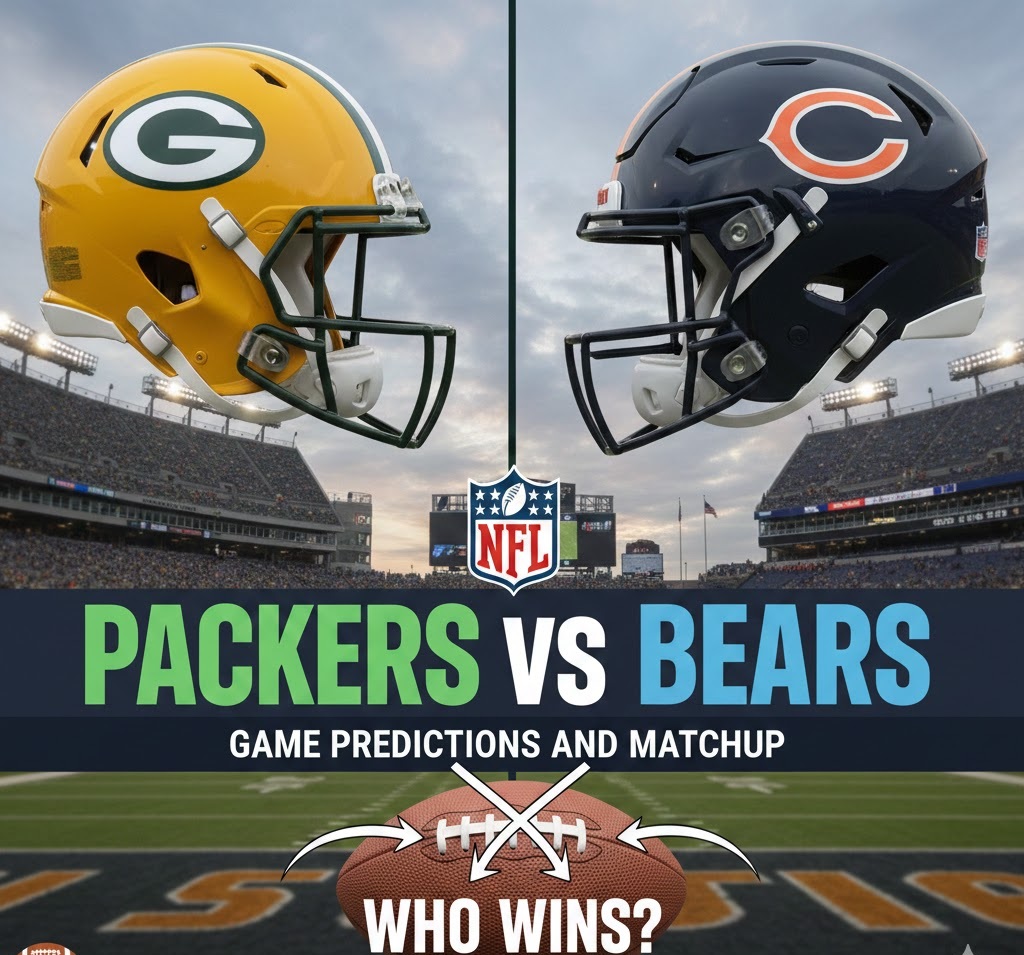
Table Of Contents
- Edges and undercurrents in Packers–Bears: an AI-powered lookahead for bettors
- Rivalry snapshot and recent form
- Matchup trenches and skill spots
- Matchup dashboard (fill-in template for bettors)
- Data signals, injuries and weather
- Coaching scheme and situational angles
- Prediction framework, scenarios and validation
- Conclusion
- Frequently Asked Questions (FAQs)
Edges and undercurrents in Packers–Bears: an AI-powered lookahead for bettors
Packers versus Bears is one of those games that feels bigger than the standings. Even when one team is rebuilding and the other is pushing for playoff positioning, the intensity rarely dips. That matters for betting, because rivalry games bring tighter margins, fewer mental mistakes, and coaching decisions that lean conservative early and aggressive late. When you blend that rivalry context with real data and modeling, you get a matchup that is usually decided by a handful of very specific edges rather than broad narratives.
From an ATSwins perspective, this game always comes down to pressure, early down efficiency, and how comfortable each quarterback looks once the script breaks. The model does not care about history for nostalgia’s sake. It cares about whether protection holds, whether defensive fronts can win without help, and whether play callers stay ahead of the sticks. When those things line up, the side and total usually reveal themselves without much drama.
This breakdown leans into that idea. Instead of hype, it focuses on what actually swings expected points. Think trench play, red zone efficiency, hidden yards, and situational coaching choices. If something flips the projection late, it will almost always be tied to injuries up front, coverage issues on the back end, or weather changing how aggressive teams are willing to be.
Rivalry snapshot and recent form
The Packers and Bears rivalry is the longest-running matchup in the league, but modern betting angles come from recent form rather than decades of history. Over the past several seasons, Green Bay has generally held the upper hand, mostly due to quarterback stability and offensive continuity. Chicago has countered that with defensive stretches where they shorten games and force opponents to earn every yard.
Recent meetings tend to follow a familiar script. When Green Bay protects its quarterback and avoids negative plays on early downs, the offense stays patient and efficient. That leads to long drives, controlled tempo, and pressure on the Bears offense to match execution rather than emotion. When Chicago disrupts that rhythm early, usually with pressure that does not require blitzing, the entire game tightens and often stays within one score.
Current season form matters more than rivalry trends. If Green Bay enters the matchup with consistent early down success and a healthy offensive line, the baseline projection tilts their way. If Chicago’s defense is trending up in pressure rate and tackling efficiency, the gap closes fast. This rivalry rarely produces fluky results. It usually rewards the cleaner operation.
Quarterback context also plays a huge role. Green Bay’s offense benefits from familiarity with its system. Even when execution dips, the structure gives the quarterback answers against zone coverage and late rotations. Chicago’s quarterback situation, especially when young, introduces more variance. That can create explosive upside but also adds risk when defenses disguise looks or simulate pressure.
Motivation matters, but not in the way casual fans think. If both teams are within striking distance of the division race, the first half often leans conservative as coaches feel each other out. If one team is chasing, aggression ramps up earlier, which impacts totals and live betting angles. This is one of those games where the second quarter tells you more than the opening drive.
Matchup trenches and skill spots
Packers offense versus Bears defense
Everything starts with protection. Green Bay’s offense is built around timing, layered route concepts, and play action. None of that works if the quarterback is forced off his spot too quickly. The Bears defense does its best work when it generates pressure with four rushers while keeping zone integrity behind it. That combination forces longer throws and shrinks explosive opportunities.
If Green Bay’s offensive line keeps pressure rates manageable, the offense tends to move the ball in chunks rather than shots. Short and intermediate throws turn into yards after the catch, which is how this system stays efficient. When pressure creeps up, drives stall in the low red zone and field goals replace touchdowns.
The run game matters more than raw yardage totals. Early down success is the real key. When Green Bay stays on schedule, play action becomes lethal. That forces linebackers to step forward and opens windows behind them. If Chicago’s linebackers and safeties fit the run cleanly, those windows disappear and the Packers are forced to win on the perimeter.
Receiver matchups also shape the projection. If Chicago can hold up outside without safety help, they can keep two defenders deep and discourage explosive passes. If the Bears need help over the top, the middle of the field opens and Green Bay’s crossing routes start stacking first downs. Tight ends often become the pressure valve in these situations, especially against zone-heavy looks.
Third down efficiency is another quiet separator. Green Bay thrives in third and medium situations, where route spacing and timing give the quarterback quick answers. If the Bears force longer third downs through early down disruption, the matchup swings back toward the defense. Red zone efficiency usually decides whether the final margin clears or stays inside the number.
Special teams play cannot be ignored in this rivalry. Hidden yards through field position swings have decided multiple recent meetings. A couple of short fields can erase otherwise even efficiency metrics and completely change the betting outcome.
Bears offense versus Packers defense
Chicago’s offense faces a different kind of challenge. Green Bay’s defensive structure aims to confuse protection schemes while keeping numbers in coverage. Simulated pressure is a major part of that plan. It looks like blitz, feels like blitz, but often only four rushers are coming.
For a young quarterback, that is a tough test. If the Bears offense handles it with quick decisions and rhythm throws, drives stay alive. If protection breaks down or the quarterback holds the ball, negative plays pile up fast. Sack rate matters more here than raw pressure numbers because sacks kill scoring chances outright.
The run game is Chicago’s stabilizer. When it works, it slows down the pass rush and forces the defense into heavier boxes. That opens up play action and defined reads, which are crucial for efficiency. If the run game gets stuffed early, the offense becomes one-dimensional and easier to contain.
Receiver usage leans heavily on timing and yards after the catch. Slants, quick in-breakers, and designed screens help mitigate pressure. If those plays generate positive yardage early, confidence builds and the playbook expands. Tight ends often become important chain movers against zone coverage, especially when linebackers are forced to respect the run.
Third down and red zone performance again loom large. Green Bay’s defense often tightens inside the 20, forcing offenses to execute precisely. If Chicago settles for field goals while Green Bay converts touchdowns, the spread can get out of reach quickly.
Special teams once again factor in. Chicago’s path to covering often includes winning the field position battle and stealing an extra possession through hidden yards.
Matchup dashboard (fill-in template for bettors)
| Metric | Packers Offense | Bears Defense | Edge | Notes |
|---|---|---|---|---|
| Pressure rate | Protection versus four-man rush | |||
| Early-down success | Drives staying on schedule | |||
| Play-action efficiency | Run game leverage | |||
| Explosive plays | Yards after catch driven | |||
| Third-down conversion | Third and medium success | |||
| Red-zone TD rate | Touchdowns versus field goals | |||
| Starting field position | Hidden yardage impact |
| Metric | Bears Offense | Packers Defense | Edge | Notes |
|---|---|---|---|---|
| Pressure allowed | Simulated pressure handling | |||
| Time to throw | Decision speed | |||
| Run success | Early-down stability | |||
| Quick game efficiency | YAC reliance | |||
| Third-down results | Scramble value | |||
| Red-zone TD rate | Execution under pressure | |||
| Turnover risk | Sack and interception combo |
Data signals, injuries and weather
Injuries are the fastest way a clean projection gets messy. Offensive line health and cornerback availability matter more in this matchup than almost any other positions. A missing tackle changes protection calls. A limited corner changes coverage rules. Both ripple through the game plan immediately.
Practice participation trends are often more telling than final designations. Players trending upward late in the week usually play close to full roles. Late downgrades on Fridays are far more impactful and should always trigger a projection adjustment.
Snap continuity matters too. When offensive lines shuffle midseason, pressure rates spike even if individual replacements are solid. That tends to show up immediately in third down struggles and red zone inefficiency.
Weather plays its usual supporting role. Wind is the biggest variable. Moderate sustained wind limits deep passing and kicking range. That pushes offenses toward shorter throws, heavier run usage, and more fourth down decisions. Cold alone is less important unless paired with wind. Precipitation increases volatility through drops and fumbles, but it also favors disciplined run games.
Surface conditions can subtly affect defensive backs more than receivers. Slower cuts and reduced traction often show up as extra yards after the catch rather than deep bombs. That can quietly inflate efficiency without obvious highlight plays.
From an ATSwins modeling standpoint, weather primarily adjusts explosive play probability and kicking efficiency. Those adjustments feed directly into totals and late-game decision making.
Coaching scheme and situational angles
Green Bay’s offensive approach emphasizes motion, spacing, and answers against zone coverage. The system thrives when it dictates. Early success unlocks layered concepts that are difficult to defend without blitzing. When defenses sit back, the offense takes what is available and stacks possessions.
Defensively, Green Bay leans into disguise. Early downs often look aggressive before settling into conservative shells on obvious passing situations. The goal is confusion rather than chaos. When it works, quarterbacks hesitate just long enough for pressure to arrive.
Chicago’s defensive philosophy prioritizes limiting explosives. The scheme invites short completions and challenges offenses to execute perfectly over long drives. That increases the chances of penalties, sacks, or negative runs killing possessions.
Offensively, Chicago focuses on defined reads and rhythm. The goal is to keep the quarterback comfortable early and expand the playbook gradually. When forced into catch-up mode, risk increases sharply.
Situational football often decides this matchup. Two-minute drills, fourth down decisions near midfield, and red zone play calling all carry outsized importance. Coaching confidence often reflects how the game has gone up to that point.
Pace is another quiet factor. When both teams stay within one score, tempo tends to slow. That benefits defenses and often leans toward the under. If one team jumps out early, pace rises and volatility increases.
Prediction framework, scenarios and validation
ATSwins approaches this matchup by building expectations from efficiency rather than emotion. The model starts with adjusted offensive and defensive performance, layers in injury and weather modifiers, and simulates drive outcomes thousands of times. Special teams and coaching tendencies are baked into those simulations.
In neutral conditions with reasonable health, the baseline expectation leans slightly toward Green Bay. Quarterback stability and offensive continuity provide a consistency edge. That does not mean dominance. It means fewer self-inflicted mistakes and better late-game execution.
Chicago’s path to covering or winning outright is very clear. The defensive front must win without blitzing, forcing long drives and limiting explosives. Offensively, efficiency and ball security are non-negotiable. A positive turnover margin dramatically increases the Bears’ chances.
Confidence bands remain tight. This is rarely a blowout unless one team completely loses the trench battle. Totals typically live in the low to mid 40s unless weather or red zone efficiency pushes them.
Live betting often provides better value than pregame positions. Early pressure rates, play action usage, and starting field position give immediate clues about which projection cluster is unfolding.
What changes the read quickly includes late injury news, unexpected weather shifts, or early special teams mishaps. Those factors tend to matter more here than in non-division games.
Conclusion
This Packers versus Bears matchup once again comes down to fundamentals. Protection, early down success, and situational execution shape the edge. Injuries and weather act as levers that nudge totals and spreads but rarely flip the game on their own. Green Bay carries a modest consistency advantage in neutral setups, while Chicago’s defensive front provides a realistic path to keeping things tight.
Tracking inactives, wind, and early efficiency signals remains the smartest approach. ATSwins frames this game through data-driven modeling that highlights those exact pressure points. By focusing on what actually moves expected points, bettors stay grounded and avoid overreacting to noise.
Frequently Asked Questions (FAQs)
What matters most in NFL Packers vs Bears odds and analysis?
Pressure rate and early down success matter more than anything else. When Green Bay stays ahead of the sticks, the offense controls tempo. When Chicago disrupts protection and limits explosives, the game tightens fast. Red zone execution and hidden yards usually decide whether the final margin clears the spread.
How do injuries and weather affect NFL Packers vs Bears odds and analysis?
Offensive line injuries and cornerback availability have the biggest impact. Wind above moderate levels reduces deep passing and kicking efficiency, nudging totals lower. Weather rarely decides the game alone, but it often shapes how aggressive coaches are willing to be.
How can I track late movement for NFL Packers vs Bears odds and analysis?
Monitor final injury reports, watch for unexpected inactive announcements, and reassess projections if weather changes significantly. Early game efficiency signals often confirm or reject pregame assumptions within the first quarter.
How does ATSwins help with NFL Packers vs Bears odds and analysis?
ATSwins uses AI-driven models that blend efficiency data, situational tendencies, and matchup-specific adjustments. The platform helps bettors identify where edges exist and where variance is likely, supporting smarter pregame and live betting decisions.
What mistakes should bettors avoid in NFL Packers vs Bears odds and analysis?
Avoid overrating rivalry narratives without data support. Do not ignore trench injuries or wind. Be cautious chasing last week’s results, especially in red zone performance. Focus on consistency and efficiency rather than highlight plays.
Related Posts
AI For Sports Prediction - Bet Smarter and Win More
AI Football Betting Tools - How They Make Winning Easier
Bet Like a Pro in 2025 with Sports AI Prediction Tools
Sources
The Game Changer: How AI Is Transforming The World Of Sports Gambling
AI and the Bookie: How Artificial Intelligence is Helping Transform Sports Betting
How to Use AI for Sports Betting
Keywords:
nfl wildcard total prediction
nfl wildcard spread projection
nfl wildcard round betting picks
nfl wildcard round prediction model
nfl playoff sharp vs public analysis
nfl playoff betting accuracy model
nfl playoff mispriced line detection
nfl playoff expected value betting
nfl playoff matchup analytics
nfl playoff total points projection
nfl playoff spread prediction
nfl playoff prediction model
nfl playoffs betting model
nfl playoff prediction algorithm
nfl playoff win probability model