
Atlantic 10 Basketball Conference Tournament Betting Angles - How to find smart bets
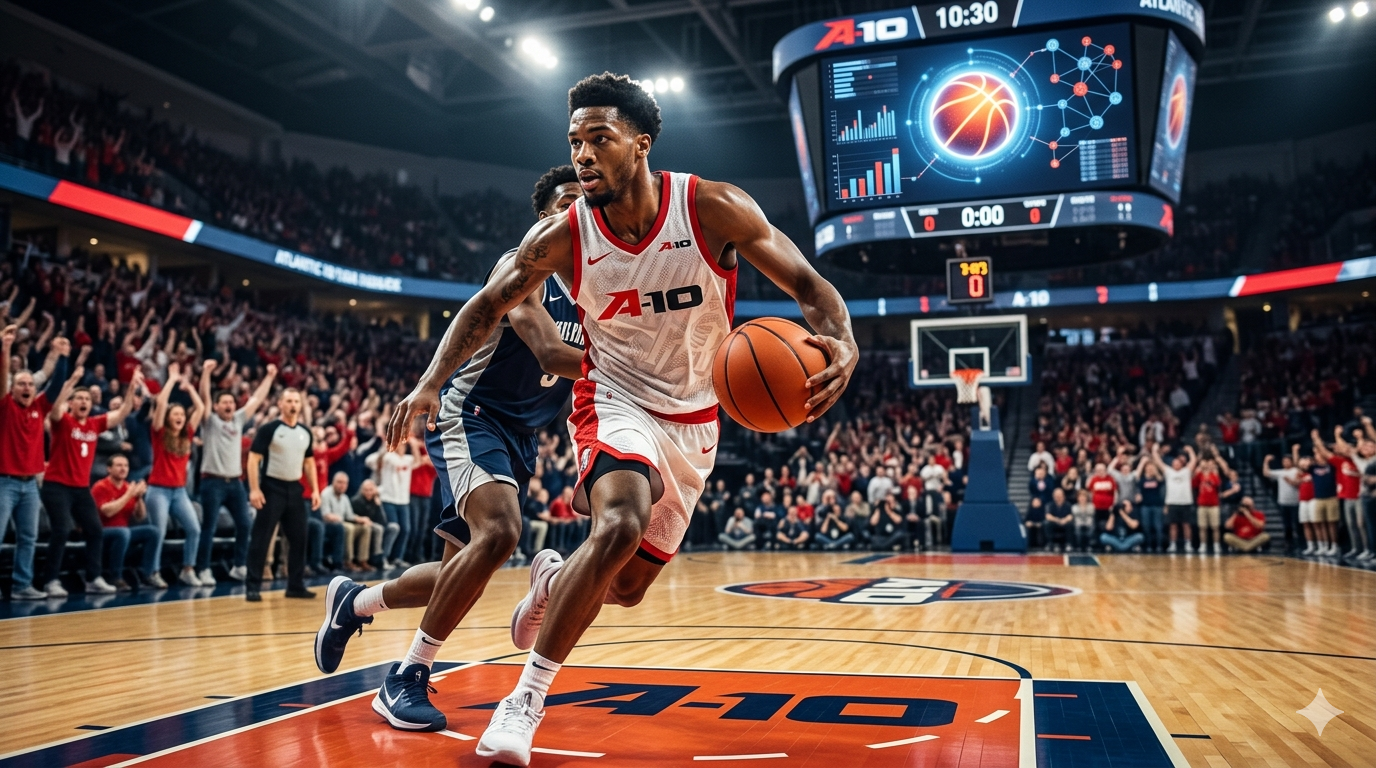
March in the Atlantic 10 Conference is always chaotic. If you watch enough games in this league, you start to realize something pretty quickly. Nothing is predictable. Favorites lose, mid-seeds get hot, and games flip in the final two minutes because of a few free throws or a single turnover.
That chaos is exactly where smart bettors find value.
I build AI betting models and use matchup data to price games in the Atlantic 10 tournament every season. The model looks at tempo, rebounding, shot profiles, turnover rates, and foul patterns. But numbers alone are not enough. I also watch film, track rotations, and pay attention to things like travel schedules and rest advantages.
When you combine those things together, you start spotting patterns that the market misses. Some of those patterns show up every year in this tournament.
This guide breaks down how I approach Atlantic 10 tournament betting. It covers the matchups that move lines, historical patterns that repeat, how to time the market, and how to structure bets using tools from ATSwins .
If you follow the process step by step, you will have a clear system for attacking this tournament instead of just guessing.
Table Of Contents
- Atlantic 10 Tournament Betting Angles That Actually Move Your ROI
- Matchups and metrics that move numbers
- Historical angles worth testing
- Market timing and execution
- Step-by-step workflow with AI and data
- Game-day checklists and templates
- Example scenarios you’ll see in the A-10
- Officiating, venue, and travel notes that matter
- Pitfalls to avoid
- Tracking and iteration
- A simple, repeatable A-10 betting template
- Putting it all together with ATSwins
- Quick-hit angles to remember in the A-10
- Conclusion
- Frequently Asked Questions (FAQs)
Atlantic 10 Tournament Betting Angles That Actually Move Your ROI
The first thing to understand about the Atlantic 10 tournament is how the bracket structure works. It is not a simple bracket where everyone starts at the same time. The top four seeds receive double-byes. Lower seeds have to win multiple games in a row to reach the later rounds.
That structure creates a huge dynamic between rest and rhythm.
Teams coming off a double-bye are fresh, but they have not played in the arena yet. They have not adjusted to the rims, the sightlines, or the whistle pace of the referees. That often shows up early in games. The first half can be sloppy while they adjust.
Meanwhile the team that played the day before already has game reps in the building. Their shooters have felt the rims. Their guards have handled the tournament pressure.
Because of that, you will often see the lower seed compete hard early before depth and talent start to show later in the game.
Another key factor is scheduling. The Atlantic 10 tournament stacks games on consecutive days. Teams can end up playing three games in three days. Conditioning becomes a major variable.
Depth suddenly matters a lot more. A team that normally plays seven players can run out of gas. A team with a nine-man rotation may hold its energy deeper into the tournament.
Travel is another underrated factor. Some teams arrive early and get practice time in the arena. Others arrive late with a short prep window. Those little differences sometimes show up in the first ten minutes of a game.
Then there is parity.
Unlike power conferences like the Big Ten Conference or the Big 12 Conference, the Atlantic 10 usually has a tighter talent gap between teams. Seeds matter, but not as much as people assume.
Spreads often sit in the range between pick’em and minus four. When games are that tight, late free throws and possessions can completely flip results.
That is why experienced guards become extremely valuable in this tournament. Close games often come down to which backcourt protects the ball and hits free throws under pressure.
Matchups and Metrics That Move Numbers
Matchups are where the real betting edges appear.
The Atlantic 10 has a wide variety of playing styles. Some teams play slow half-court basketball. Others push the pace and rely on transition scoring.
When those styles collide, tempo becomes one of the most important variables.
A grinding team that controls pace can slow a fast opponent down dramatically. If the grinder limits transition chances and rebounds well, the game suddenly becomes a half-court battle.
That often leads to lower scoring games than the market expects.
On the other hand, pace teams want early shot opportunities. They attack before the defense gets set. If they successfully push tempo in the first few minutes, totals can rise quickly.
When watching a game live, pay attention to the first two media timeouts. That stretch often reveals whether the pace will match expectations or not.
Rebounding is another massive factor.
Some Atlantic 10 teams rely heavily on offensive rebounds to generate extra possessions. They crash the glass and score on put-backs.
If that type of team runs into a strong defensive rebounding unit, their entire offensive identity can collapse.
Rim protection also matters more than people realize. A good shot blocker forces opposing guards to adjust their finishing angles. That often leads to floaters or mid-range shots instead of easy layups.
Combine strong rim protection with solid defensive rebounding and you eliminate second chances. That alone can swing a spread.
Three point volume is another key metric.
Most bettors look at three point percentage, but attempt rate is often more important. Teams that shoot a high volume of threes create more scoring variance.
That variance makes underdogs more dangerous.
If both teams rely heavily on three point shooting, the game can swing rapidly with short scoring runs. In those situations it sometimes makes sense to sprinkle a small moneyline bet on the underdog.
Turnovers also shape games in this tournament.
Some teams run aggressive pressing defenses that force mistakes. Early in tournaments referees sometimes allow more physical perimeter defense. That benefits teams that create chaos.
However pressing teams can fade late in games if they lack depth. Back-to-back games take a toll on players who rely on constant defensive pressure.
Free throws are another underrated variable.
Neutral site tournaments often feature close games in the final minutes. Coaches intentionally foul to extend the game. Teams that shoot free throws well can cover spreads even when the game stays tight.
If two teams are evenly matched, free throw percentage can become a major tiebreaker.
Historical Angles Worth Testing
History does not guarantee future results, but certain patterns appear regularly in the Atlantic 10 tournament.
One common trend involves double-bye teams starting slowly.
The top four seeds usually have better rosters, but they sometimes look rusty in the first ten minutes of their opening game. Opponents who already played in the arena often come out with more rhythm.
Because of that, first half spreads against double-bye teams can sometimes offer value.
However those favorites still tend to win more often late in games. Their talent and preparation usually show up once they settle in.
Another recurring angle involves mid-seed upsets.
The Atlantic 10 has produced plenty of tournament surprises over the years. Mid-seed teams with experienced guards and reliable three point shooters often pull off wins against higher seeds.
Moneyline prices between plus 140 and plus 220 are common for those matchups. In the right situation it makes sense to pair a spread bet with a small moneyline sprinkle.
Back-to-back scheduling also changes how teams perform.
Players who logged heavy minutes the previous day sometimes show fatigue late in the next game. Big men are especially vulnerable to foul trouble when tired.
Teams with deeper rotations handle those situations much better.
When evaluating matchups, always check how many minutes key players logged in the previous game.
Market Timing and Execution
Even if your analysis is correct, timing your bet matters.
The best numbers usually appear when lines first open. If your model shows a clear mismatch in tempo or rebounding, betting early can capture value before the market adjusts.
Public bettors tend to favor higher seeds and recognizable programs. When that public money pushes a line too far, opportunities appear on the other side.
Another strategy involves splitting positions between first half and full game bets.
If you expect fatigue to play a role, a first half bet might capture the best part of the edge. Later in the game depth and conditioning may change the dynamic.
Live betting is also extremely useful during tournaments.
Watching early possessions often reveals whether tempo matches expectations. If the pace is slower than projected, live unders can become valuable.
Similarly, if a pressing defense clearly disrupts an opponent’s offense, live spreads may shift quickly.
Risk management should always come first.
Atlantic 10 games can be volatile. Keeping unit sizes between half a unit and one and a quarter units helps control variance.
Saving a small portion of your bankroll for live bets also creates flexibility when unexpected game flows appear.
Step By Step Workflow With AI And Data
My process for betting the Atlantic 10 tournament starts several days before games begin.
First I review the bracket and schedule. Understanding rest patterns and travel situations provides context before looking at numbers.
Next I analyze team profiles. Tempo, rebounding rates, turnover percentages, and foul patterns all matter.
I also track three point attempt rates and opponent three point defense. Those numbers reveal which teams create or suppress variance.
Once those baselines are established, I compare them against projections from ATSwins. The platform uses AI models to estimate spreads and totals based on matchup data.
When my projections align with the ATSwins model by more than a point or two, that usually signals a strong betting opportunity.
Betting splits also help reveal where public money is flowing. If a favorite attracts heavy ticket volume but limited handle, that often indicates sharp bettors are backing the underdog.
Using those tools together creates a much clearer picture of each matchup.
Game Day Checklists And Templates
Before placing any bet, I run through a quick checklist.
First I confirm starting lineups and injury news. Late scratches can completely change rotations.
Next I check referee tendencies when available. Some officiating crews call more fouls than others, which affects totals.
Arena conditions also matter. If early games in the session are playing slower than expected, that information can influence later bets.
Once those factors are confirmed, I lock in unit size and potential live entry points.
During the game I watch for specific cues.
If a favorite struggles to initiate offense early in possessions, that can signal value on the underdog.
Sudden three point shooting streaks often create overreactions in live markets. If shot quality has not changed, regression usually follows.
Foul counts also become important late in games. If both teams reach the bonus early in the second half, totals can climb quickly.
After the game ends I log several key statistics including rebounding margin, turnovers, foul trouble, and minutes played.
Tracking those details helps refine future projections.
Example Scenarios You Will See In The Atlantic 10
One common matchup involves a slow defensive team facing a fast transition offense.
If the slower team controls pace and limits fast breaks, the game often turns into a half-court battle. That situation favors unders and sometimes underdog spreads.
Another scenario features a strong rebounding team against an opponent that depends on offensive boards.
If the rebounding edge disappears, the offense loses its second chance scoring opportunities. That frequently leads to lower totals.
A third scenario involves a double-bye favorite facing a mid-seed team that just won the day before.
The underdog may start strong because they already adjusted to the arena. However the favorite’s talent advantage can appear later once the game settles.
Recognizing those patterns in advance helps you plan betting strategies before the market moves.
Officiating, Venue, And Travel Notes That Matter
Neutral site tournaments introduce several environmental factors.
Sightlines can affect shooting early in games. Players sometimes need time to adjust to unfamiliar backdrops behind the basket.
Referee tendencies also shift throughout tournaments. Early games might allow more physical play, while later rounds sometimes feature tighter whistles.
Travel schedules can also influence energy levels. Teams that arrive earlier often look more comfortable in the opening minutes.
Individually those factors might seem minor. Combined together they can create subtle but valuable betting edges.
Pitfalls To Avoid
Even experienced bettors make mistakes during conference tournaments.
One common mistake is chasing steam. Just because a line moves does not mean the new number still offers value.
Another mistake involves overvaluing team reputation or seeding. In the Atlantic 10, matchups often matter far more than brand names.
Ignoring foul trouble is another costly error. When a key big man picks up two early fouls, rebounding and interior defense can change instantly.
Finally, avoid overreacting to one hot shooter. Variance in three point shooting is high. If shot quality stays the same, percentages usually regress.
Tracking And Iteration
Keeping detailed records is critical during tournament week.
After each day, log every bet along with the reasoning behind it. Track closing line value, rebounding margins, turnover differences, and foul patterns.
ATSwins includes a profit tracker that helps organize those results.
Reviewing that data nightly helps identify which angles performed well and which ones need adjustment.
Over time that feedback loop strengthens your betting model and decision making.
A Simple Repeatable Atlantic 10 Betting Template
A repeatable system helps remove emotion from betting.
Before lines post, update power ratings with the latest lineup information and recent form.
When markets open, compare projected spreads against available numbers. If the difference exceeds two points and the matchup supports it, consider placing a bet.
On game day confirm injuries, travel notes, and potential officiating factors.
During games react to pace and foul patterns rather than shooting percentages.
After the game record key metrics and evaluate how the analysis performed.
Following the same structure every day keeps decisions consistent.
Putting It All Together With ATSwins
ATSwins brings several tools together in one place.
AI projections estimate spreads and totals based on matchup data. Betting splits reveal where public and sharp money are moving. Player prop projections highlight opportunities in rebounds and turnovers.
When your own analysis matches the ATSwins model, confidence in the bet increases.
If projections disagree, it may be better to wait for live betting opportunities instead of forcing action.
Combining AI projections with matchup analysis creates a balanced approach that blends data and basketball knowledge.
Quick Hit Angles To Remember In The Atlantic 10
Double-bye favorites sometimes start slowly but still finish strong.
Early neutral site games often trend toward lower scoring as teams adjust to the arena.
Rebounding mismatches frequently decide games and influence totals.
Pressing defenses can dominate early but fade late when rotations are short.
Three point attempt volume creates volatility that benefits underdogs.
Bubble teams fighting for postseason bids often extend games with intentional fouls.
Keeping those angles in mind helps identify opportunities quickly during tournament week.
Conclusion
The Atlantic 10 tournament is one of the most unpredictable events in college basketball. That unpredictability creates opportunity for bettors who focus on matchups instead of reputation.
Tempo differences, rebounding battles, turnover pressure, and free throw advantages all shape how these games play out.
Smart bettors also understand the impact of rest, travel, and neutral site conditions.
Using a structured process, solid bankroll management, and tools from ATSwins makes it easier to identify real value.
When the tournament chaos begins, the goal is not to predict every result. The goal is to consistently find small edges and let disciplined betting turn those edges into long term profit.
Frequently Asked Questions (FAQs)
What are the most reliable Atlantic 10 tournament betting angles?
The most reliable angles usually involve tempo differences, rebounding mismatches, and turnover pressure. Teams that control pace and limit second chance opportunities often outperform expectations. Free throw percentage also becomes important in close games.
How does scheduling affect Atlantic 10 tournament betting?
Back-to-back games compress rotations and increase fatigue. Teams with deeper benches and experienced guards handle those situations better. Double-bye teams may start slowly because they have not played in the arena yet.
How can tempo help identify betting opportunities?
Comparing pace between teams reveals potential scoring environments. When a slow defensive team faces a fast transition offense, the slower team often dictates tempo. That can create value on unders or underdog spreads.
When should bettors choose first half bets instead of full game wagers?
First half bets are useful when rust or early pace advantages are expected. For example, double-bye favorites sometimes start slowly, making first half underdog bets appealing.
How does ATSwins help bettors during the Atlantic 10 tournament?
ATSwins provides AI projections, betting splits, player prop analysis, and profit tracking tools. Those features help bettors compare their own analysis with model predictions and manage their betting performance more effectively.
Related Posts
AI For Sports Prediction - Bet Smarter and Win More
AI Football Betting Tools - How They Make Winning Easier
Bet Like a Pro in 2025 with Sports AI Prediction Tools
Sources
The Game Changer: How AI Is Transforming The World Of Sports Gambling
AI and the Bookie: How Artificial Intelligence is Helping Transform Sports Betting
How to Use AI for Sports Betting
Keywords:
MLB AI predictions atswins
ai mlb predictions atswins
NBA AI predictions atswins
basketball ai prediction atswins
NFL ai prediction atswins